Table of contents
- What People Get Wrong About Galapagos Islands Conservation Tourism
- Park Fees: What Changes the Plan (Weather, Rules, Reality)
- Luxury Galapagos Cruise Itineraries That Visit Floreana
- Best For / Not For (Based on Floreana)
- Packing for Earth (The Non-Optional Stuff)
- FAQ: Quick, Useful Details
- How do luxury operators contribute to Galapagos conservation efforts?
- What specific measures are in place for responsible tourism on Floreana Island?
- What types of activities are available for eco-conscious travelers in the Galapagos?
- What should travelers know before booking a luxury cruise to the Galapagos?
- Are there opportunities to observe giant tortoises during guided tours? - If You Want to Do This, Here’s the Move
This guide is for travelers weighing how to experience the Galapagos Islands at a high standard—while still supporting local conservation and respecting the region’s strict environmental rules. You’ll learn how to prioritize both comfort and sustainability, with a close look at what truly responsible luxury means in this unique archipelago, especially for those keen to see conservation projects up close, like Floreana’s tortoise recovery efforts.
Here you’ll find practical guidance for choosing between cruise and land-based stays, how your choices affect local wildlife, and what constraints (logistical, regulatory, and physical) you should plan for. If you care most about seeing species such as giant tortoises in managed habitats and want your spending to have direct impact, choose operators with active local projects and certified naturalist guides. The main tradeoff is flexibility versus controlled access: flexible itineraries can hit more islands, but strict regulations and time slots mean comfort sometimes yields to conservation priorities.
Key Takeaways – Galapagos Islands Conservation Tourism (Practical)
-
Expect to balance comfort with compliance—responsible operators enforce rules even when inconvenient.
-
Choose itineraries featuring certified naturalist guides to deepen wildlife encounters and understanding of endemic species.
-
Landing site quotas and rigid schedules are non-negotiable; be ready for early starts or waits to access certain islets.
-
Zero single-use plastic policies restrict everyday conveniences—bring your own reusable gear and plan ahead.
-
Your operator choice directly affects whether your money supports local employment and long-term conservation—don’t assume all luxury tours are equal in impact.
What People Get Wrong About Galapagos Islands Conservation Tourism
Travelers often assume that “luxury” in the Galapagos means seamless service and leisure—but on these islands, ecological protection shapes every aspect of the experience. For example, a Floreana Island visit prioritizes supporting rewilding for giant tortoises over typical vacation indulgences. If your goal is maximizing wild animal sightings, opt for itineraries built around small-group, expert-led excursions; flexibility in timing comes second to structured conservation protocols.
Every landing is strictly controlled, with only certain numbers allowed on Bartolomé, Espanola, or Floreana at a time—expect to adapt plans around timed access and government quotas. Responsible luxury is not about private beaches but hands-on learning and funding, such as how your fees help restore native vegetation. The most rewarding encounters (like observing hatchling tortoises) happen on tours designed with local ecologists; these don’t cater to spontaneous detours or unscheduled lounging. If direct contribution and authentic wildlife experiences matter most, prioritize operators with published sustainability partnerships. Otherwise, you may unintentionally support operations that sidestep deeper conservation commitments in favor of surface-level comfort.
Park Fees: What Changes the Plan (Weather, Rules, Reality)
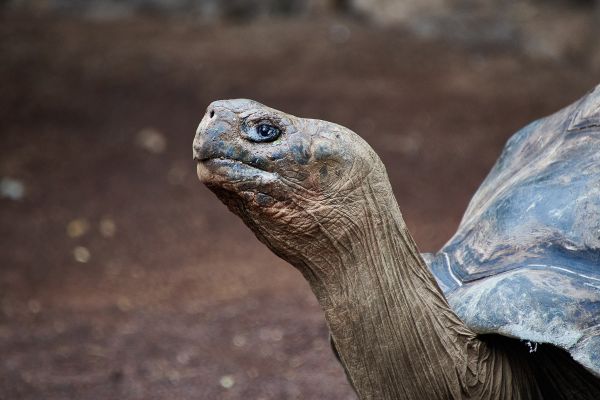
Galapagos National Park fees fluctuate—not just in amount, but in application. They’re mandatory and fund everything from biosecurity patrols to invasive species removal on Floreana and Isabela. Because fee structures can change with shifting visitor caps or government regulations, always verify the latest cost and payment method before departing mainland Ecuador. If you care about trip predictability, arrange for advance fee inclusion in your booking to avoid delays at entry points.
Schedules and access often change with El Niño or dry-season weather patterns. For instance, rougher seas in certain months can cause landings at North Seymour or Genovesa to be rescheduled or replaced by less sensitive sites. Don’t count on fixed wildlife events—many species, such as waved albatross, have strict breeding windows. The tradeoff for supporting habitat management: some areas may be closed for restoration without advance warning. Prioritize flexibility if you want to guarantee multi-island visits, but be prepared for last-minute changes enforced to protect endemic fauna.
Luxury Galapagos Cruise Itineraries That Visit Floreana
For travelers seeking a luxury expedition cruise that meaningfully connects wildlife encounters with conservation insight, these Galapagos Monique Catamaran itineraries include Floreana as a core destination.
-
Southern Wonders of Galápagos (4 Days / 3 Nights)
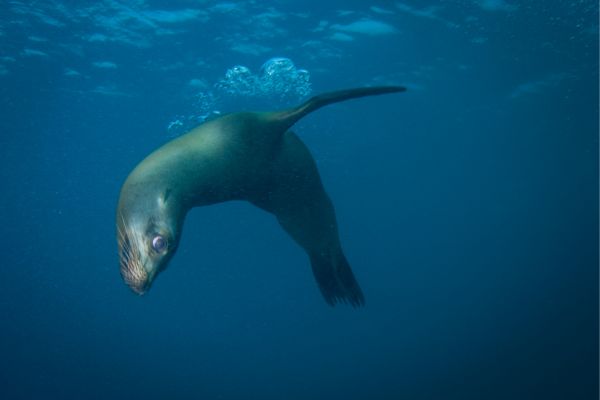
A compact yet immersive southern route through Santa Cruz, Floreana, Española, and San Cristóbal. Guests visit the Charles Darwin Research Station, explore Floreana’s Post Office Bay and Cormorant Point, snorkel alongside sea lions at Gardner Bay, and sail past the iconic Kicker Rock. Ideal for travelers seeking a high-impact, conservation-rich experience within a shorter timeframe. -
Eastern Galápagos Islands Cruise (8 Days / 7 Nights)
A comprehensive biodiversity-focused journey across Santa Cruz, Floreana, Española, San Cristóbal, Santa Fe, South Plaza, Genovesa, and surrounding islets. This extended expedition combines historic sites like Floreana’s barrel post, major seabird colonies on Española and Genovesa, mangrove ecosystems at Black Turtle Cove, and multiple snorkeling opportunities with reef sharks, rays, and sea lions—offering a deeper exploration of the archipelago’s ecological diversity.
Both itineraries integrate Floreana Island conservation into the broader narrative of Galapagos restoration, allowing guests to experience one of the most important rewilding efforts in the Pacific while traveling in refined comfort aboard a small, environmentally managed vessel.
Best For / Not For (Based on Floreana)
Floreana—like other regulated Galapagos sites—caters to travelers seeking firsthand encounters with rare wildlife and direct participation in conservation. If you value guided, purpose-driven trips (think tortoise monitoring hikes and native plant restoration walks), Floreana routes deliver. Those favoring small groups will find these settings foster deeper interaction with field experts and increased chances to witness endemic life stages, like hatchling turtles.
However, the islands are a poor fit for those expecting full-service resorts, guaranteed creature comforts, or entertainment akin to city destinations. The rhythm here is guided by dawn start times for wildlife activity and mid-day pauses for ecosystem recovery. Social nightlife is limited; excursions conclude early to meet conservation schedule mandates. If minimal physical effort or spontaneous food options are top priorities, expect frustration—restrictions, limited infrastructure, and environmental controls preclude a typical resort-style vacation. Decision point: if structured, conservation-focused itineraries and physical activities (wet landings, moderate hiking) excite you, Floreana delivers. If not, another destination may better match your goals.
Packing for Earth (The Non-Optional Stuff)
Packing isn’t just about weather on the equator—Galapagos logistics mean essentials serve both environmental rules and personal comfort. Only biodegradable toiletries are allowed; avoid bringing any disposable plastics, as even small items are strictly banned upon arrival at Baltra or San Cristobal. Packing reusable bottles and bags is essential—failure to do so means you may go without, as there are limited replacements for restricted items on-island.
Leave behind expectations of easy access: certain landing sites require shoes that grip volcanic rock and can handle repeated wet entries from pangas (small boats). Lightweight long sleeves protect from both sun and biting insects along the Floreana highlands and in denser Santa Cruz forests. Small details matter: binoculars are vital for spotting wildlife at a distance (marine iguanas, blue-footed boobies) across open lava fields, and waterproof cases for electronics help protect your gear during frequent boat transfers. Plan to carry much of your own gear during inter-island moves, as porter service is limited by environmental rules. Prioritize only what’s necessary, as over-packing can hinder your mobility and your compliance with strict biosecurity screenings.
FAQ: Quick, Useful Details
How do luxury operators contribute to Galapagos conservation efforts?
Luxury operators influence conservation by investing in local restoration efforts, hiring guides certified by Galapagos National Park, and enforcing low-impact guest protocols. When comparing trips, select those that transparently partner with local research or employ residents directly; these choices ensure your fees support habitat protection on islands like Floreana.
What specific measures are in place for responsible tourism on Floreana Island?
On Floreana, responsible tourism is built around government-enforced visitor limits, mandatory naturalist-led activities, and ongoing eradication of invasive species. If structured access and environmental briefings are important to you, favor operators whose itineraries include time for education and strict adherence to park quotas.
What types of activities are available for eco-conscious travelers in the Galapagos?
Activities such as ranger-guided walks, limited-access snorkeling near restricted islets, and kayaking in mangrove ecosystems are tailored for minimal impact. Decide based on your interest in biology or conservation—deep-dive programs offer more learning but usually come with stricter schedules and fewer “free time” options.
What should travelers know before booking a luxury cruise to the Galapagos?
Before choosing a cruise, check for operators with documented conservation procedures and smaller ship capacities. If access to remote sites and adherence to park rules matter most, prioritize vessels with environmental audits and itineraries vetted by the National Park Service to avoid last-minute changes or restricted shore excursions.
Are there opportunities to observe giant tortoises during guided tours?
Guided tours in Floreana’s uplands or Santa Cruz’s reserves offer seasonal chances to see tortoises. For reliable viewing, select itineraries that specify highland visits, but know that rain or conservation closures might mean substituting one site for another—flexibility remains key for all wildlife encounters.
If You Want to Do This, Here’s the Move
If you want to experience luxury travel in the Galapagos while contributing to conservation, start by booking with us. Prioritize those that include certified guides and whose routes visit restoration-focused islands like Floreana. Be ready for itinerary shifts, early excursions, or limited downtime—these are often necessary to minimize environmental disturbance and fit slot-controlled landing schedules.
Ultimately, your experience is shaped as much by the rules you respect as by the wildlife you hope to see. Responsible choices ensure that your visit helps maintain ongoing research and regeneration of habitats for species like the Galapagos tortoise. If short-term convenience is less important than long-term preservation, position yourself for a trip that balances immersive exploration with careful stewardship. The payoff: meaningful memories and measurable contributions to one of Earth’s most regulated, extraordinary scientific reserves.